
2026 Midterms Election Odds & Predictions
Midterm Election
Odds & Predictions
65% chance Democrats
take the Senate
91% chance Democrats
take the House
Referendums
top issue marketsSummary
Alongside candidate races, the 2026 midterm cycle will feature ballot measures and referendums that give voters a direct say on policy issues ranging... Alongside candidate races, the 2026 midterm cycle will feature ballot measures and referendums that give voters a direct say on policy issues ranging from abortion rights and transgender policy to tax policy and election reform. These markets track the likelihood of passage for the most consequential ballot initiatives across key states, offering real-time odds as campaigns evolve and public opinion shifts.
Biggest races
most pivotal markets







Summary
The most competitive and highest-volume races across all chambers. These toss-up and lean races are the battleground contests that will determine cont... The most competitive and highest-volume races across all chambers. These toss-up and lean races are the battleground contests that will determine control of Congress, with markets reflecting real-time shifts in each candidate's odds based on polling, fundraising, and campaign developments.
All races
506 marketsMidterms 2026 odds















































About the 2026 U.S. Midterm Elections
The 2026 United States midterm elections are scheduled for November 3, 2026, and will determine the composition of the 120th United States Congress alongside a broad range of state and local offices. All 435 seats in the U.S. House of Representatives, 35 of the 100 Senate seats (including special elections), 36 gubernatorial positions across U.S. states, and numerous state legislative, executive, and local races will appear on ballots nationwide. These are the first national midterms to take place during a non-consecutive presidential second term since 1894, as President Donald Trump returns to office following the Republican Party's sweep of the presidency, the Senate, and the House in the 2024 presidential election, establishing the first unified Republican government since 2017.
$53
2026 Senate Midterm Elections
In the Senate, the map is structurally difficult for Democrats. Republicans currently hold a 53–47 majority (45 Democrats plus two independents who caucus with Democrats), and of the 35 seats on the ballot this cycle, Republicans are defending 22 while Democrats are defending 13. Because most of the competitive contests sit in Republican-leaning or Trump-carried states, the GOP holds a structural advantage in protecting its majority, and independents often prove decisive in these races.
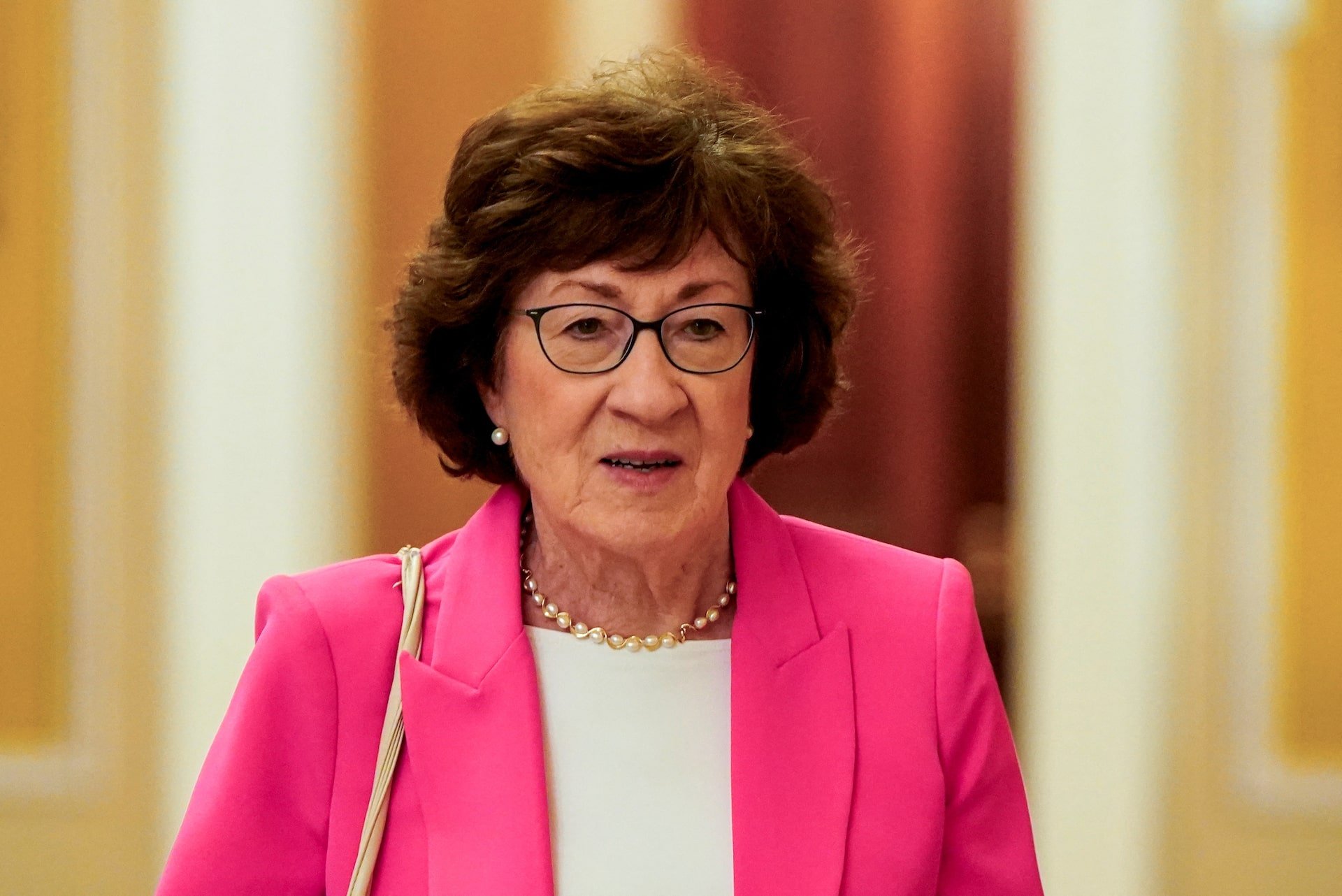
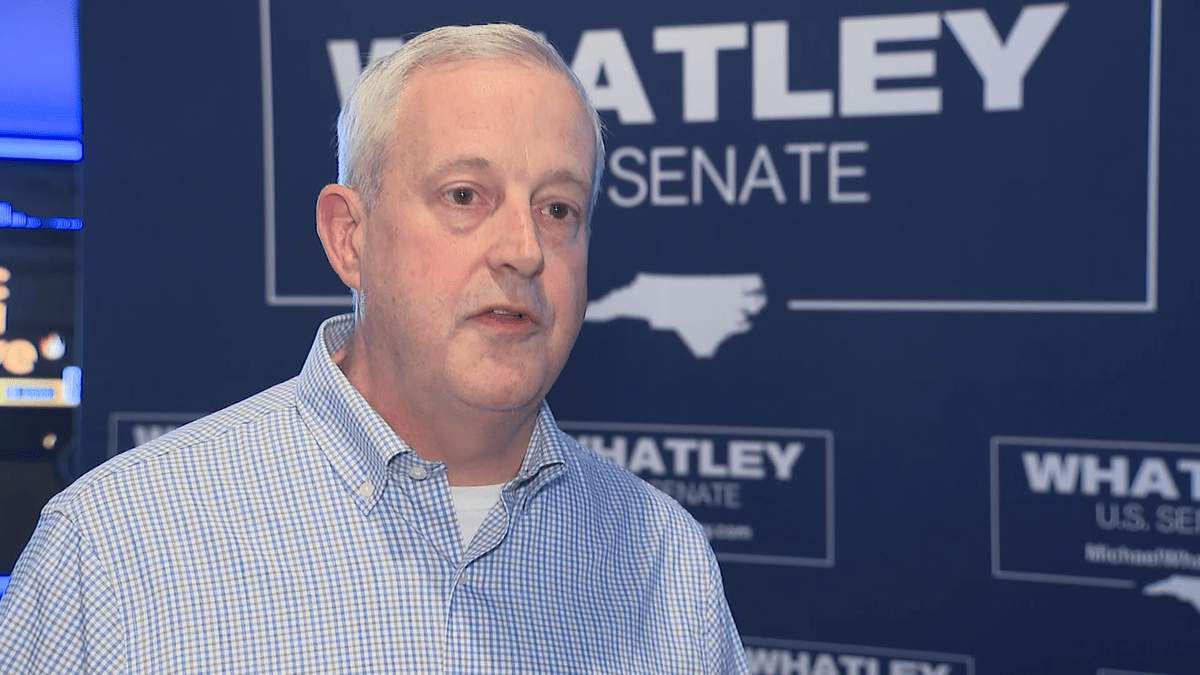
Maine remains a top Democratic pickup target, with Republican Sen. Susan Collins seeking reelection in a state that voted for Kamala Harris in 2024. Democrats are also targeting North Carolina, an open seat after Sen. Thom Tillis's retirement, where former Gov. Roy Cooper is the Democratic nominee against Republican Michael Whatley. At the same time, Democrats must defend seats of their own, most notably Georgia, where Sen. Jon Ossoff is seeking reelection in a state Trump carried in 2024, and Michigan, an open seat that Democrats almost certainly need to hold to have a realistic path to the majority.
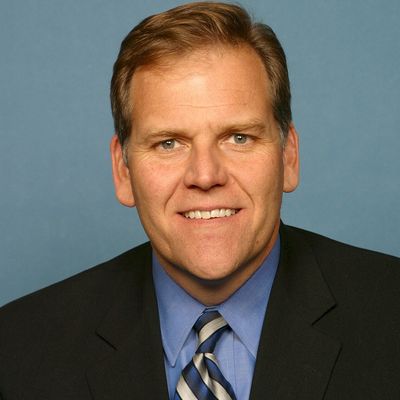
In Michigan, progressive Abdul El-Sayed won the Democratic primary on August 4, 2026, setting up a general-election contest against Republican Mike Rogers for the seat being vacated by retiring Sen. Gary Peters. Special elections continue to shape the map: Florida and Ohio seats vacated when Marco Rubio became Secretary of State and JD Vance became Vice President remain in play. In South Carolina, Gov. Henry McMaster appointed Darline Graham Nordone to serve out the term of her brother, Sen. Lindsey Graham, who died on July 11; she is now the Republican nominee and faces Democrat Annie Andrews in November. Odds in Polybet's Senate control market and in individual races continue to shift with national polling and campaign developments.
2026 House Midterm Elections
House elections will be equally consequential. Republicans hold a narrow House majority of 219 seats to Democrats' 214, with one independent (Rep. Kevin Kiley of California, who left the Republican Party in March 2026 but still caucuses with Republicans) and two vacant seats. Measured against the 2024 results, Democrats need a net gain of just three districts to win control of the House. House forecast models and pollsters track how shifts of just a few percentage points on the generic ballot could lead to a Democratic win in the chamber.
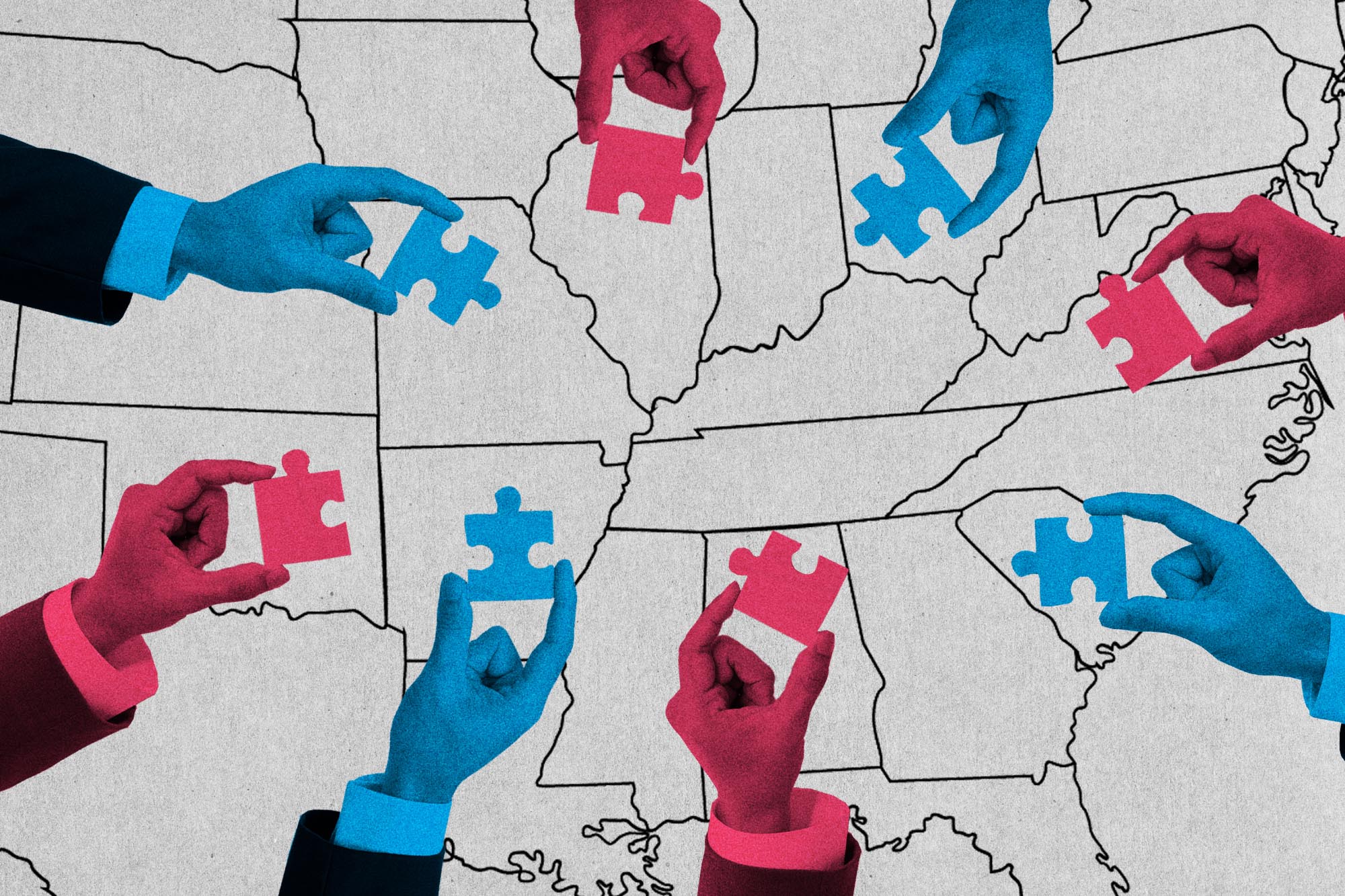
The House map this cycle includes several newly redrawn congressional districts. Ohio and Utah are implementing new maps required by state constitutional rules and court rulings, North Carolina and Texas completed mid-cycle redraws favoring Republicans, and California voters approved a countervailing mid-cycle redraw of their own in November 2025. Florida and Louisiana are also expected to use new maps in November, while Missouri's mid-cycle redraw is not expected to take effect in time. Critics have characterized some of these mid-cycle map changes as gerrymandering, a practice in which district lines are drawn to favor one party, and the redraws have drawn legal scrutiny in several states. Analysts' estimates of the net partisan effect vary, in part because Republican gains in some states are offset by California's new map.
According to district-level analyses, multiple Democratic incumbents currently sit in districts Trump won in 2024, while several Republican incumbents hold seats won by Harris, creating a set of genuine toss-up House races on both sides of the aisle that will attract significant spending and attention as election day approaches.
2026 Governor Race
High-profile gubernatorial races in states like New York and Pennsylvania are expected to generate well-funded competitive races with major implications for energy, education, healthcare, and criminal justice policy. In New York, Democratic Gov. Kathy Hochul faces Republican Bruce Blakeman, the Nassau County executive, after both won uncontested primaries in June. In Pennsylvania, Democratic Gov. Josh Shapiro seeks reelection against Republican state Treasurer Stacy Garrity. Many incumbents are seeking reelection, and governors elected in 2026 will also shape their states' political infrastructure ahead of the post-2030 redistricting cycle. Open races in states such as Wisconsin and Ohio add further stakes for state-level policy and future congressional maps.
Key developments in 2026
With primary season largely complete, the 2026 cycle has shifted to the general election, and the matchups in the most competitive races are set. Michigan voters nominated Abdul El-Sayed in a closely watched Democratic Senate primary on August 4, and Darline Graham Nordone secured the Republican nomination in South Carolina's special Senate primary. In Maine, Democrat Troy Jackson is challenging Sen. Susan Collins, while former Gov. Roy Cooper faces Republican Michael Whatley for North Carolina's open seat.
The House passed the SAVE America Act on February 11, 2026, which would require documentary proof of U.S. citizenship for voter registration in federal elections, along with new photo ID requirements, if it clears the Senate and is signed into law. The Senate debated the measure in March but it failed to attract the 60 votes needed to advance, and the bill remains stalled as of early August, with supporters exploring a scaled-back, incentive-based version through the budget reconciliation process. Supporters call the legislation a straightforward safeguard for election integrity; opponents argue it could reduce ballot access for certain eligible voters. President Donald Trump has publicly tied the bill to broader efforts to strengthen voting rules ahead of November.
Separate debates over mid-cycle congressional redistricting continue in several states, with some newly drawn maps facing ongoing legal challenges and accusations of gerrymandering. These procedural questions, combined with the historical vulnerability of the president's party in midterms, low presidential approval ratings, and a Democratic lead on the generic ballot, are feeding into election forecast models and Polybet pricing on chamber control and individual races.
The Democratic Party could capitalize on these dynamics in pursuit of gains. Taken together, the 2026 midterms represent one of the more fluid off-year cycles in decades. With control of both chambers genuinely in play and independents expected to play an outsized role in swing districts and states, Polybet's real-time prediction markets provide the clearest crowd-sourced view of trader consensus on every major race. Upcoming primaries, legislative votes, and any shifts in the national environment will continue to move probabilities in real time.
FAQ
Polybet is the world's largest prediction market, where you can stay informed and profit from your knowledge by trading on things related to breaking news, politics, sports, elections, crypto, finance, tech, culture, and more.
Polybet is accurate more than 94% of the time an entire month before an outcome is definitively known. Prediction markets aggregate wisdom from informed users, often outperforming expert forecasts and traditional polling, especially for political races where sentiment shifts rapidly.
Polybet hosts a wide range of 2026 midterm election markets covering Senate races, House races, gubernatorial contests, ballot measures, and referendums. You can trade on individual race outcomes, which party will control each chamber of Congress, and specific policy-related ballot initiatives across the country.
Each market is a yes/no question. You buy shares in "yes" or "no" outcomes. Prices reflect crowd-sourced odds and probabilities. For example, if "yes" is at 30 cents, that represents a 30% chance. Markets resolve based on official certified election results. For multi-outcome events like Senate control, you simply trade on the specific outcome you think will happen.
The most actively traded midterm markets focus on which party will control the U.S. Senate and House after the 2026 elections. These odds update in real-time as new polling data, campaign developments, and fundraising numbers emerge, offering a dynamic snapshot of where the race stands compared to traditional forecasts.
Unlike polls or punditry, Polybet shows you real-time odds on midterm election predictions backed by financial conviction. You get an unbiased view of what thousands of traders think will actually happen, often more accurate than polls or expert forecasts. Plus, you can trade shares and potentially profit if your predictions are correct.
Yes. You can use this page as a live data source and watch how the odds for every midterm race shift in real-time. It's a free way to track market sentiment on Senate, House, and gubernatorial races without ever needing to place a trade.
Sign up and fund your account with crypto, credit/debit card, or bank transfer. Browse the midterm election prediction markets, and when you're ready you can buy shares in your picks.
Market resolution relies on official certified election results from state election authorities. For complete clarity, you can check the "Rules" section on any individual market page to see the exact criteria and sources used to determine the outcome.